ACL24 Bangkok: The First Workshop on Human-Centered LLMs
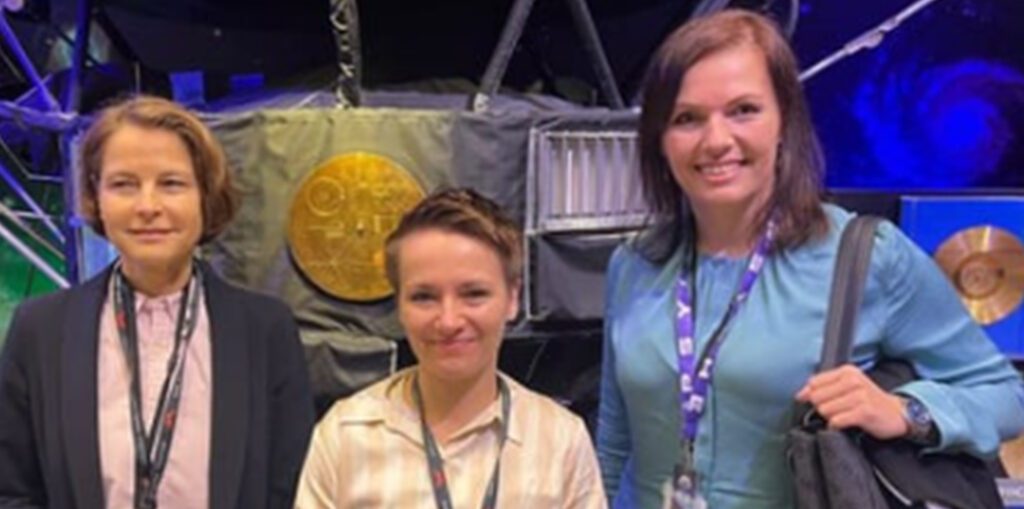
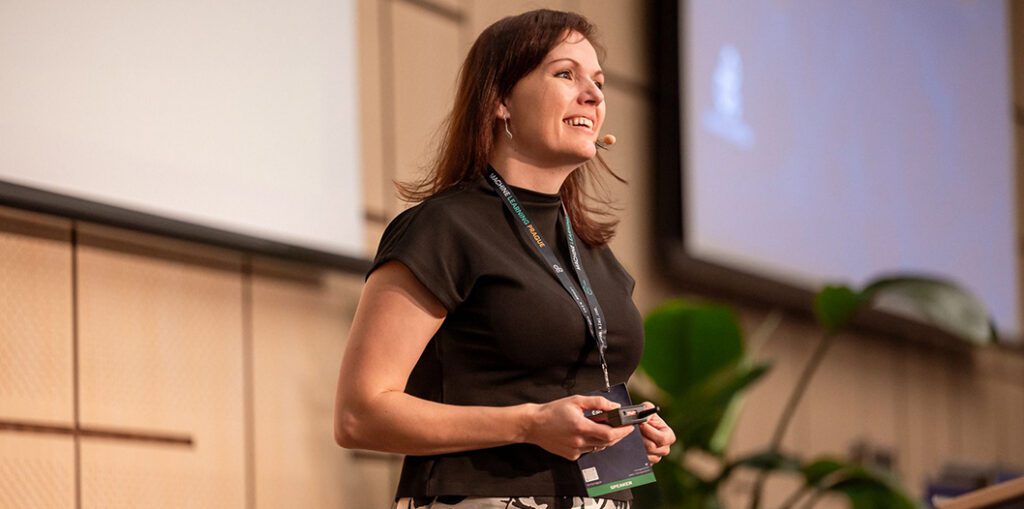
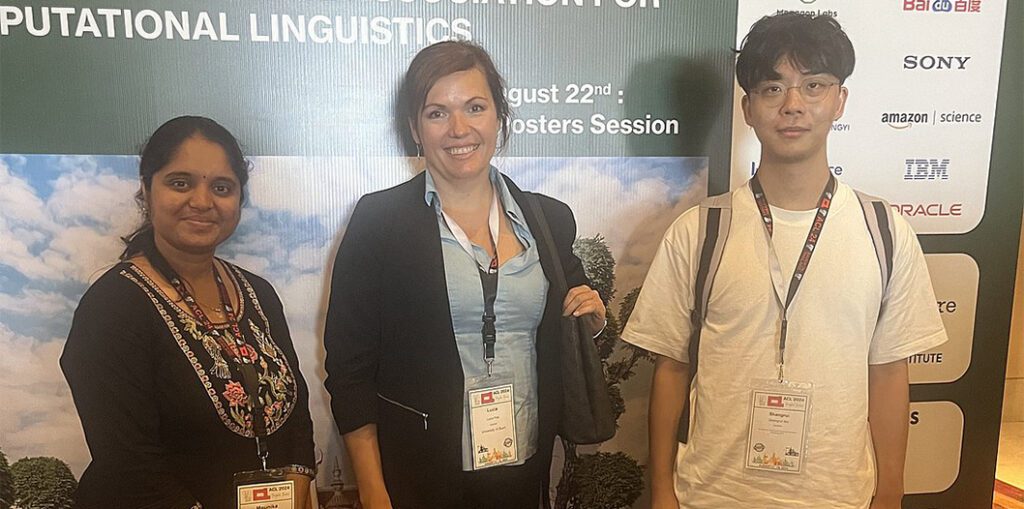
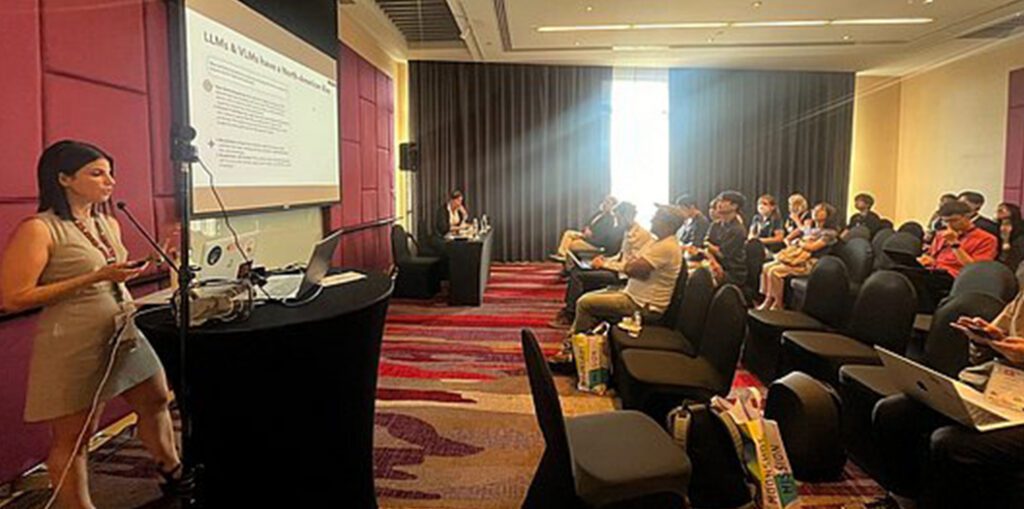
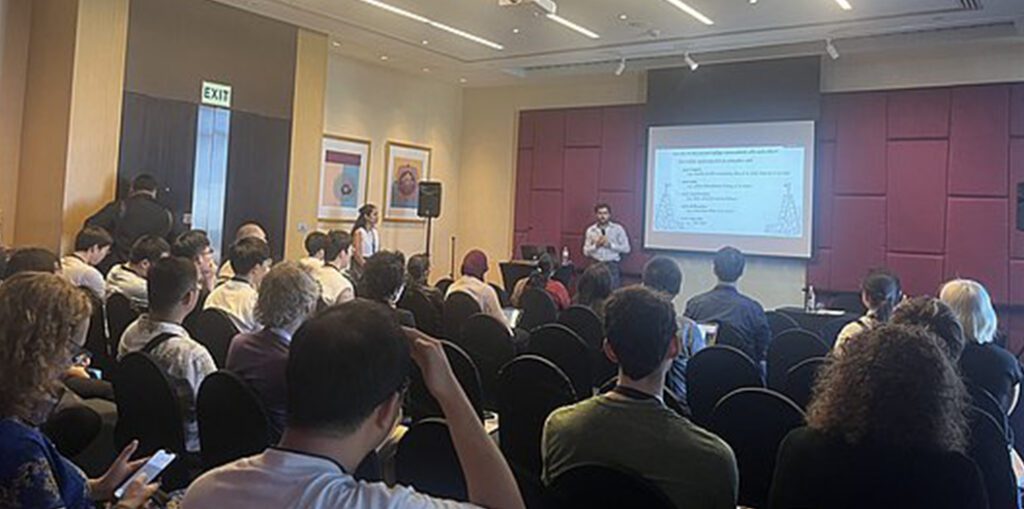
With Nikita Soni , Ashish Sharma, Yang Diyi, Sara Hooker and H. Andrew Schwartz we organised the first workshop on Human-Centered LLMs. We received 35 paper submissions, and were excited…
Text
With Nikita Soni , Ashish Sharma, Yang Diyi, Sara Hooker and H. Andrew Schwartz we organised the first workshop on Human-Centered LLMs. We received 35 paper submissions, and were excited…
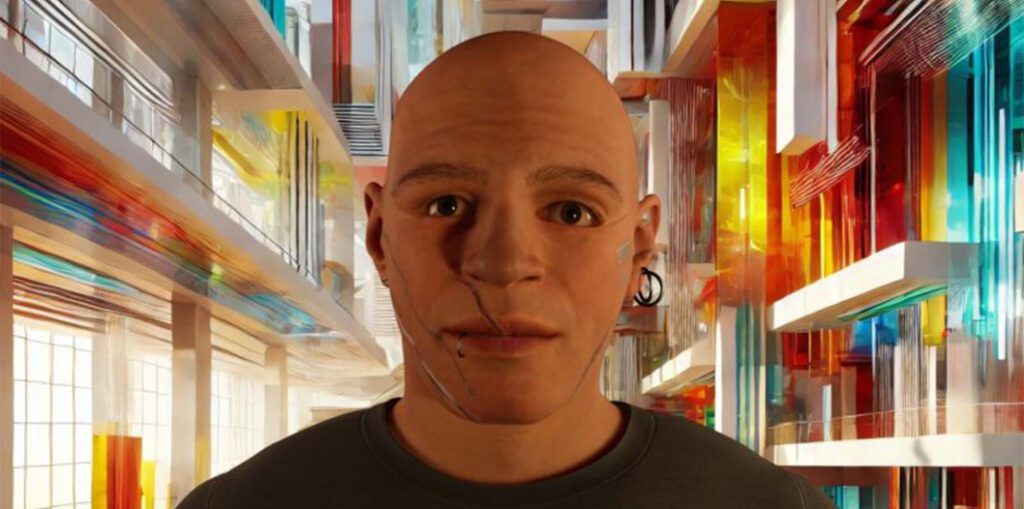
The interactive exhibition by Andrea Familari is open until February 2, 2025. This installation examines the intersection of Artificial Intelligence and human relationships, allowing visitors to converse with a custom…
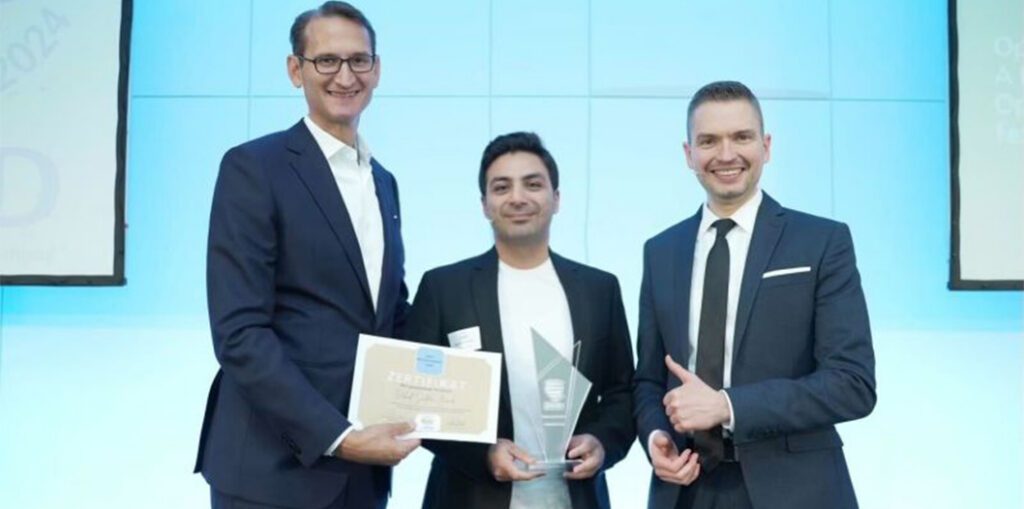
WissenschaftsAward of the Bundesverband Direktvertrieb Deutschland (BDD) for Vahid Sadiri Javadi and his work "OpinionConv: Conversational Product Search with Grounded Opinions". This work, started around the GPT-2 release, was ahead…
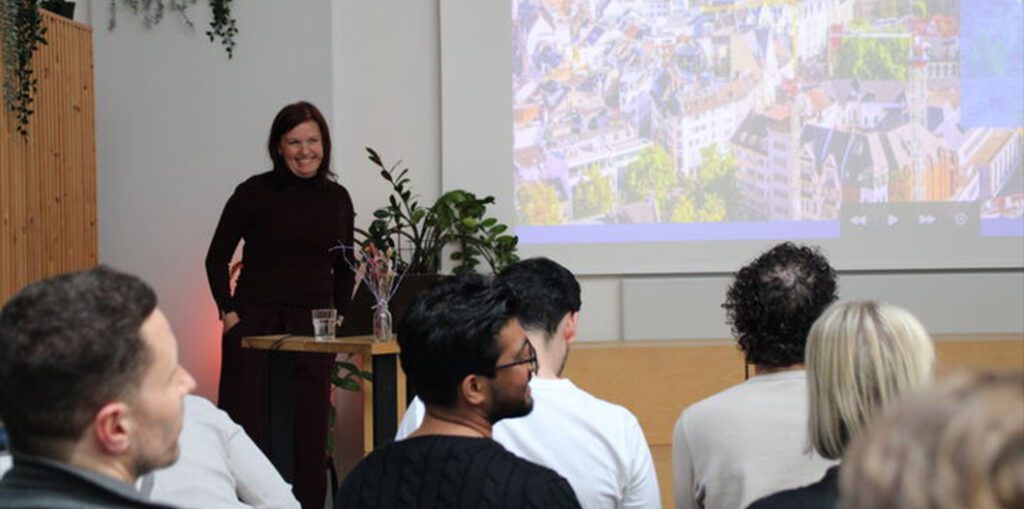
In the final session of this semester’s InVirtuo 4.0 seminar, Prof. Dr. Lucie Flek (Lamarr'a Area Chair for NLP) alongside Mahan Akbari Moghanjoughi presented her team’s latest research on enhancing…
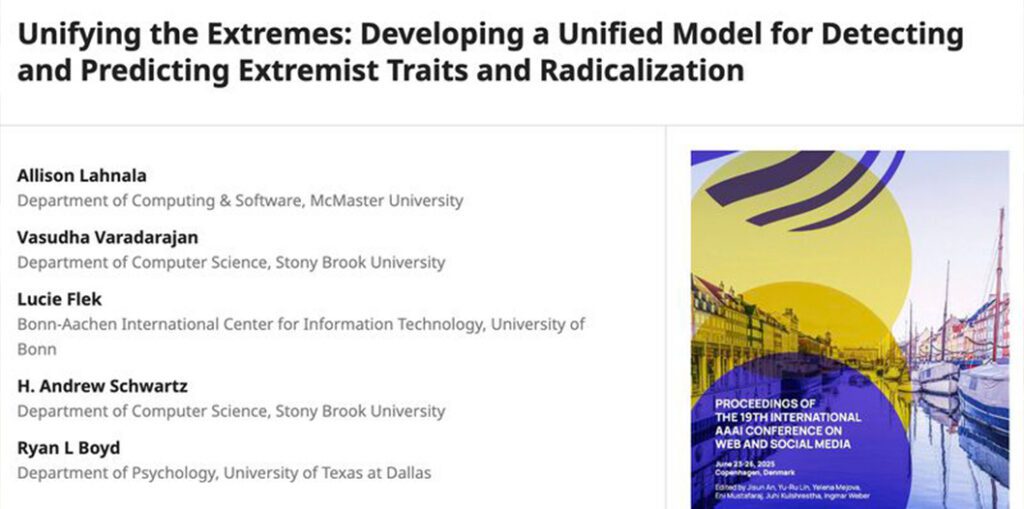
Don't miss our new paper on forecasting radicalization: "Unifying the Extremes: Developing a Unified Model for Detecting and Predicting Extremist Traits and Radicalization"
One can't get enough of AI safety and trustworthiness debates - after all, we humans have to align on it too! If you are in Bonn, check the one in…
Prof. Lucie Flek was invited to the third edition of the HumanCLAIM workshop to talk about stereotypes in multilingual models. This event, organised by Prof. Lisa Beinborn from the University…
Joining LLM superpowers along one DB speed train line! The release of Teuken7B was just a start. In Europe, we need to build not only bigger, but smarter. I am…
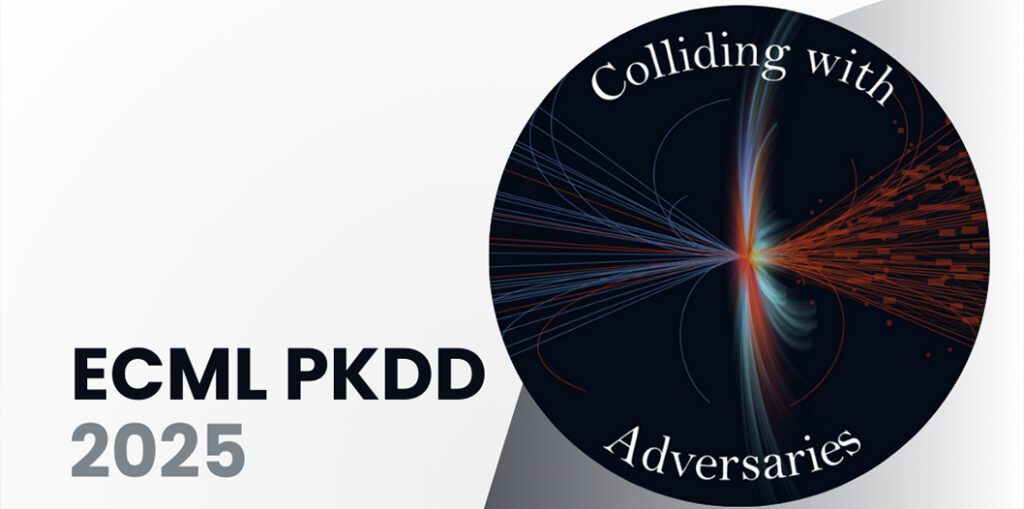
Our proposal on an open ML Challenge on Adversarial Learning for Particle Physics ("Colliding with Adversaries") got accepted to ECML 2025. We will set up the CERN LHC data on…
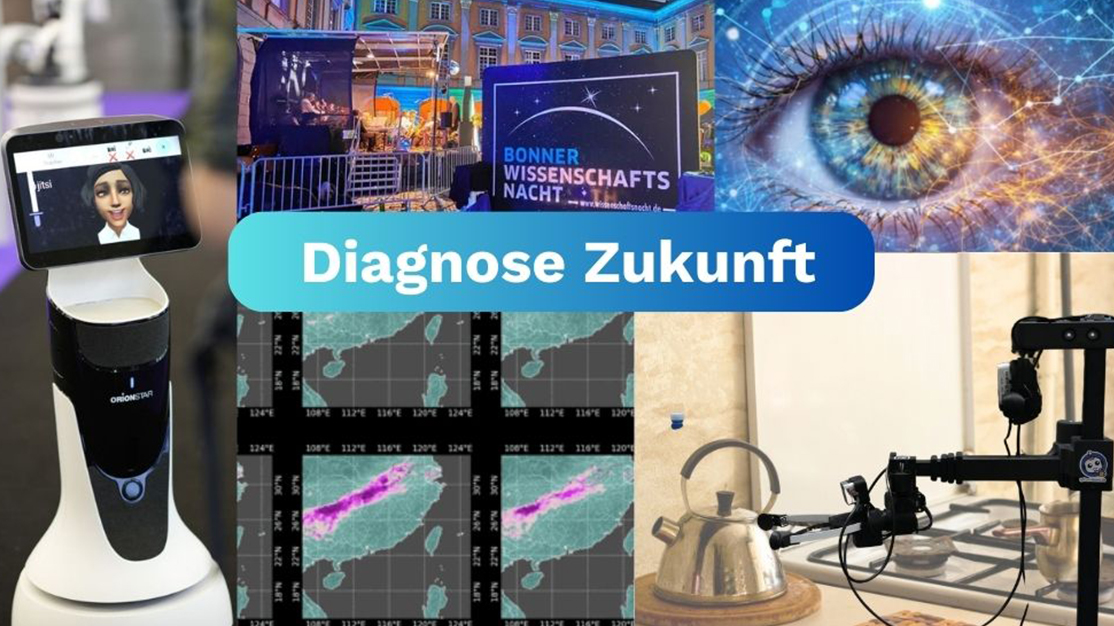
View all events Bonn Science Night May 21 @ 09:00 – May 22 @ 23:00 As part of the 2026 Bonn Science Night, the b-it, the Computer Science Department of…
The past decade of AI was largely driven by one question: how to make large language models work at all. How to scale them, stabilize them, and push their capabilities far enough to be usable.
A major success for the b-it: The European Research Council (ERC) is providing millions of euros for projects in the fields of computer science, economics, and evolutionary biology. Prof. Dr. Lucie Flek from Data Science & Language Technologies Group has been awarded with the popular EU funding to continue her research on social parameters in AI.
The past decade of AI was largely driven by one question: how to make large language models work at all. How to scale them, stabilize them, and push their capabilities far enough to be usable.
New study conducted by Prof. Dr. Bajorath and Sanjana Srinivasan at b-it and the Lamarr-Institute at the University of Bonn show the potential of language models in finding new medications. The researchers have created a chemical language model comparable to ChatGPT to predict potential active ingredients with special properties. Following a training phase, the AI was able to exactly reproduce the chemical structures of compounds with known dual-target activity that may be particularly effective medications.
The past decade of AI was largely driven by one question: how to make large language models work at all. How to scale them, stabilize them, and push their capabilities far enough to be usable.
The past decade of AI was largely driven by one question: how to make large language models work at all. How to scale them, stabilize them, and push their capabilities far enough to be usable.
Bias in large language models is a well-known and unsolved problem. In our new paper “Do Multilingual Large Language Models Mitigate Stereotype Bias?” we address this challenge by investigating the influence of multilingual training data on model bias reduction.
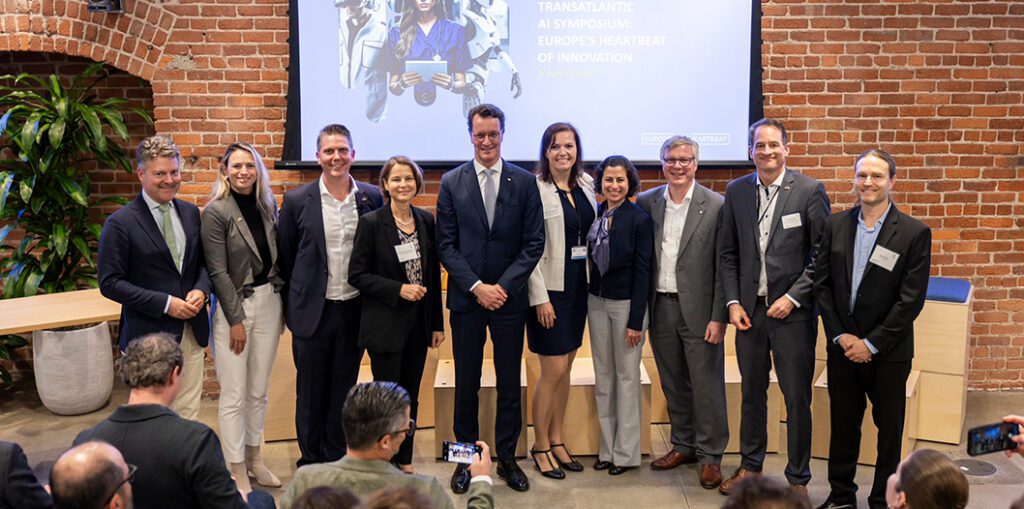
A visit to Stanford University, Microsoft and Google – Professor Dr. Lucie Flek, Professor of Data Science & Language Technologies at b-it, accompanied NRW Minister President Hendrik Wüst on a delegation trip to the USA.