
Research Group – Data Science & Language Technologies
Meet The Team
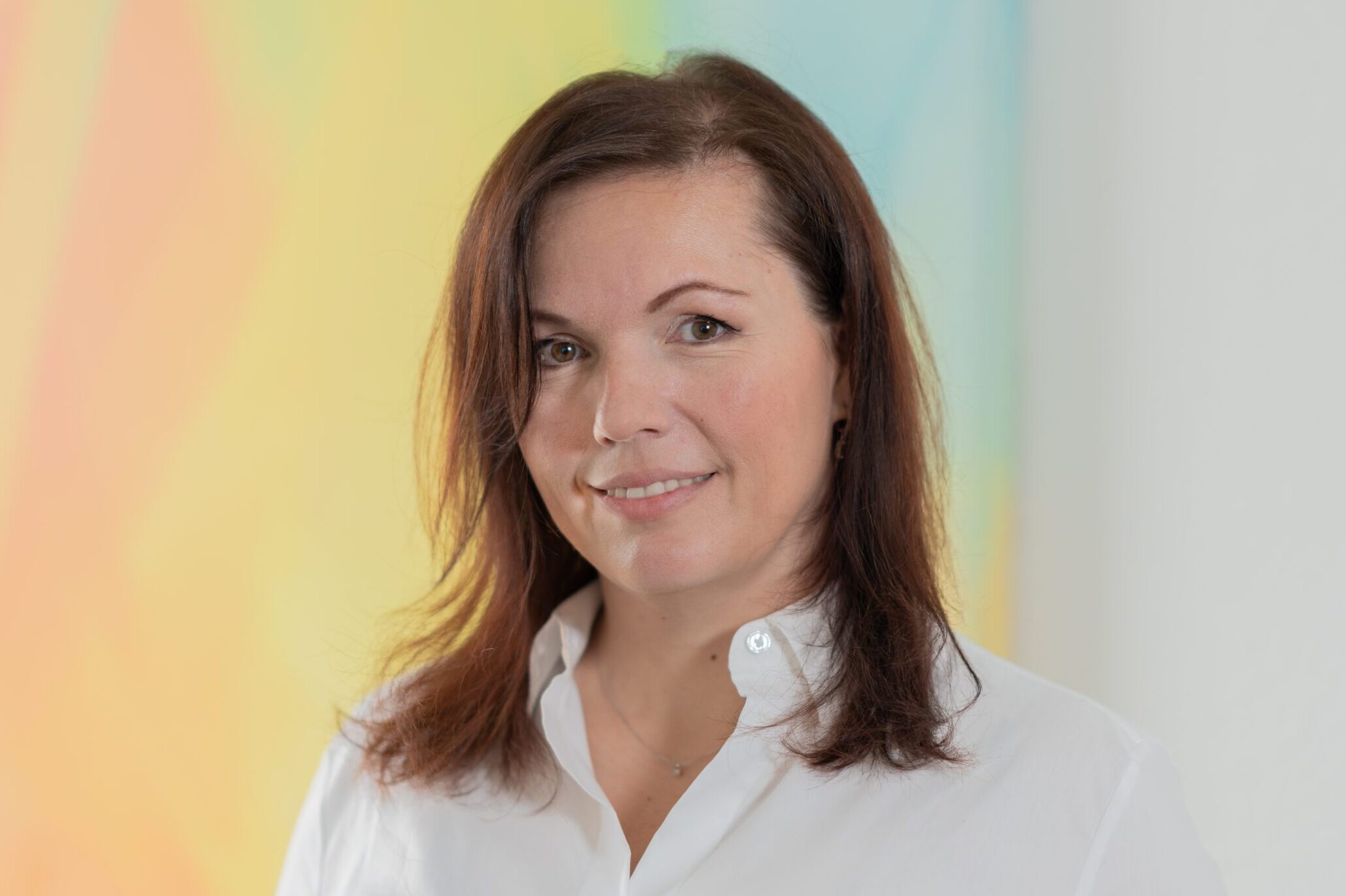 © Maximilian Waidhas / b-it
 Prof. Dr.
Lucie Flek
Group Leader
more
Lucie Flek is a full professor at the University of Bonn, leading the Data Science and Language Technologies group. Her main interests lie in machine learning research for natural language processing (NLP), including AI robustness and safety. The application areas range from large language models and conversational systems, across clinical NLP and mental health research, to misinformation detection and social media analyses.
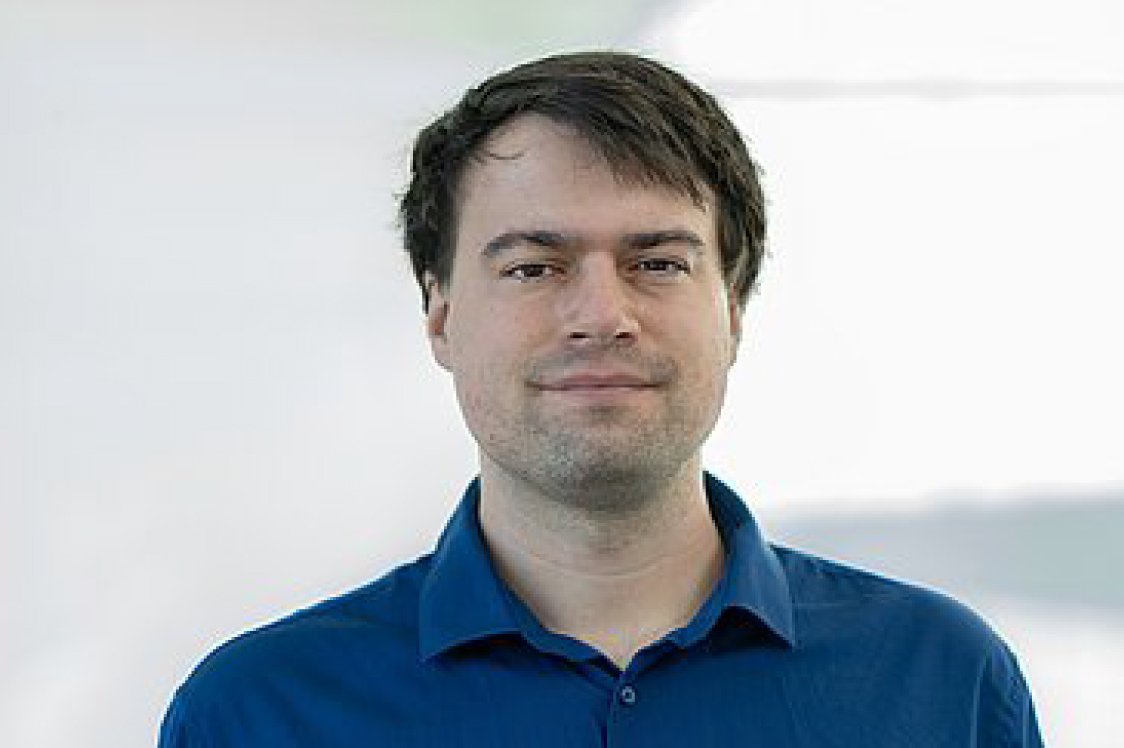 © Maximilian Waidhas / b-it
 Dr.
Florian Mai
Researcher
more
Florian Mai has been a postdoc at CAISA since October 2024, working on web agents, planning, and alignment. Previously, he received his PhD from EPFL in 2023, where he graduated with a thesis on low-cost natural language understanding. Subsequently, he worked as a Postdoctoral Research Fellow at KU Leuven, where he worked on planning algorithms for language modeling.
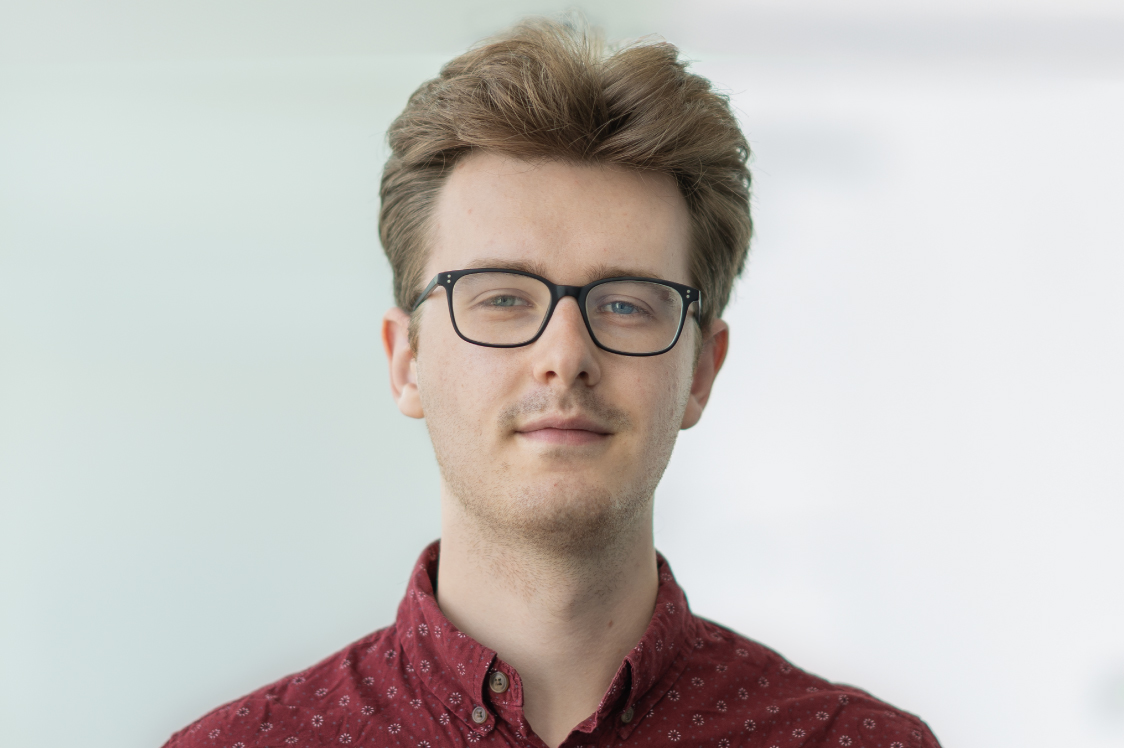 © Maximilian Waidhas / b-it
David Kaczer
PhD-Student
more
David is a PhD student at the University of Bonn under the supervision of Prof. Dr. Lucie Flek since August 2024. His current research interests include large language model (LLM)-based web agents and planning algorithms to enhance LLMs’ reasoning and problem solving capabilities. He is also interested in conversational agents and applications of reinforcement learning in the field of NLP.
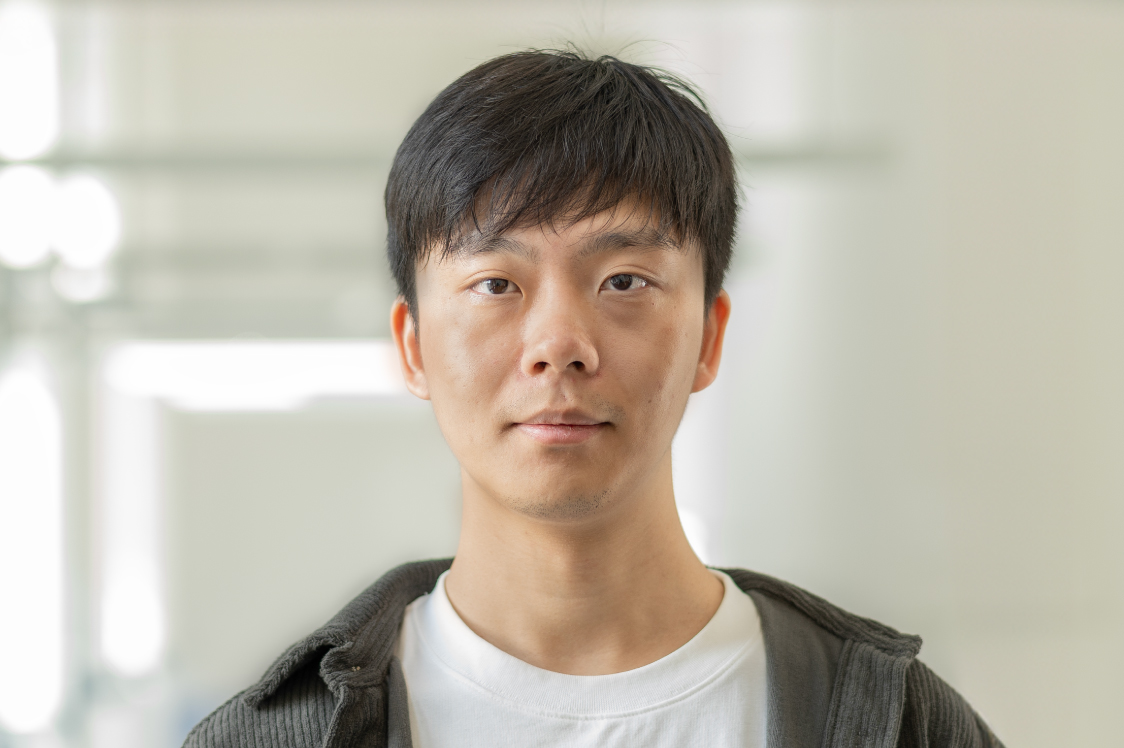 © Maximilian Waidhas / b-it
Shangrui Nie
PhD-Student
more
Shangrui Nie is a PhD-student under the supervision of Prof. Dr. Lucie Flek and Dr. Charles Welch. Nie’s research interests lie in the robustness of large language models (LLMs) in the domain of cross-lingual. In addition, Nie is also interested in transfer learning and motivational learning in the field of LLM.
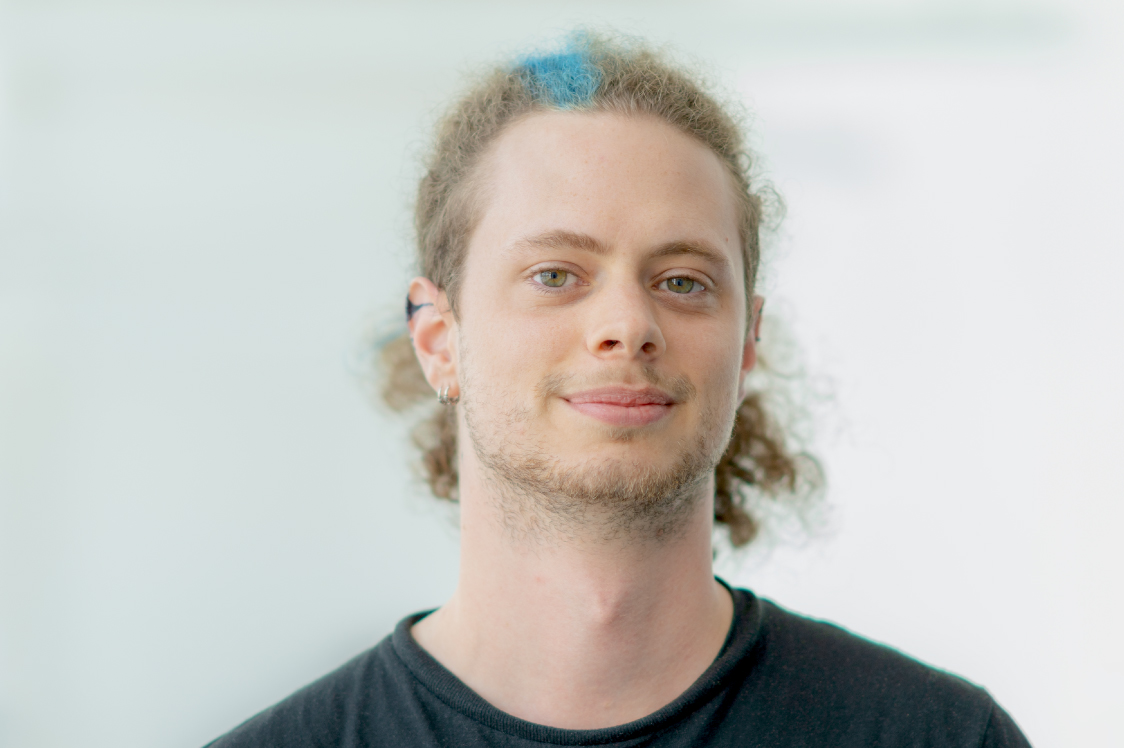 © Maximilian Waidhas / b-it
Frederik Labonté
Researcher
more
Frederik is a researcher in Prof. Lucie Flek’s research group. He started here in August 2024 and has a background in biology and bioinformatics; He completed his master’s degree at the University of Cologne in 2023. He is very interested in data extraction and text mining tasks, particularly in the biomedical field. During his master, he worked with the DLR on analyzing new radiation treatments for lung cancer, via RNA-seq analysis. Now, he is focusing on making the knowledge buried in the vast number of papers published on cancer more accessible and easier to overview. To this end, he aims to use LLMs and other NLP tools to extract and connect knowledge across a large body of literature, to improve our understanding of cancer and to make the lives of biomedical researchers easier.
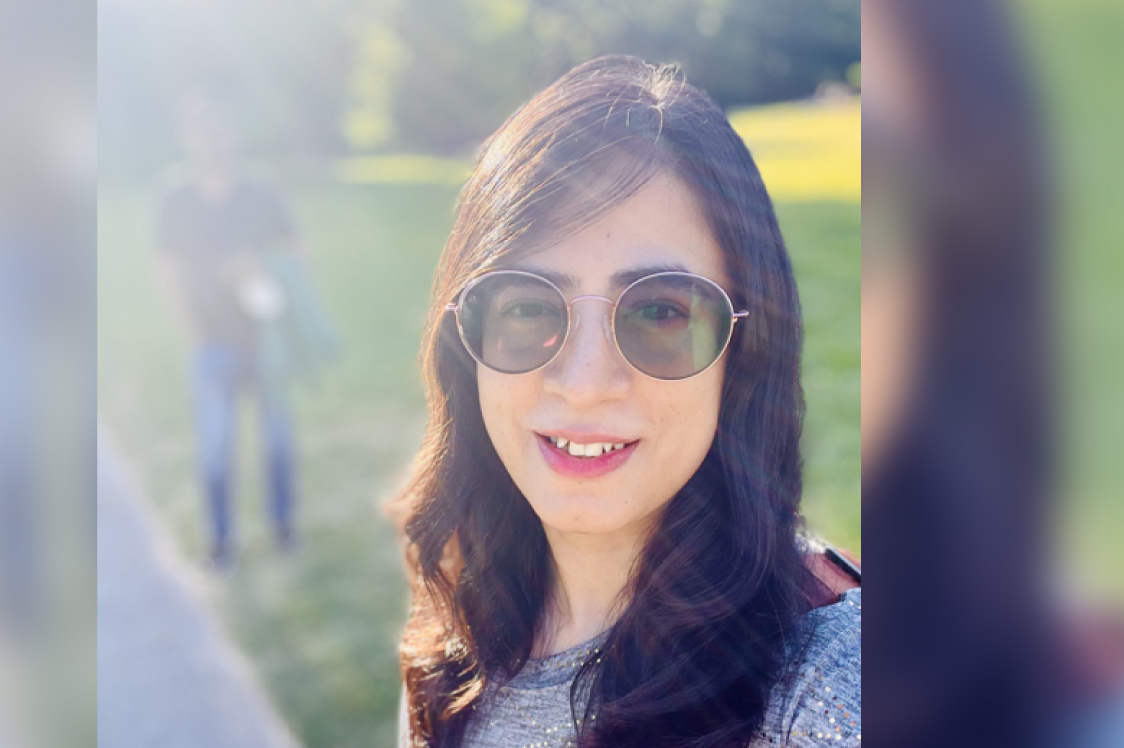 © Privat
Shaina Ashraf
PhD-Student
more
Shaina’s area of research interest lies in training machines to learn and predict human behavior i.e., author profiling, sentiment analysis etc. Currently her PhD research is focusing on the development of methods and technologies to analyze the mass spread of disinformation among social media and potentially counteract it using machine learning techniques.
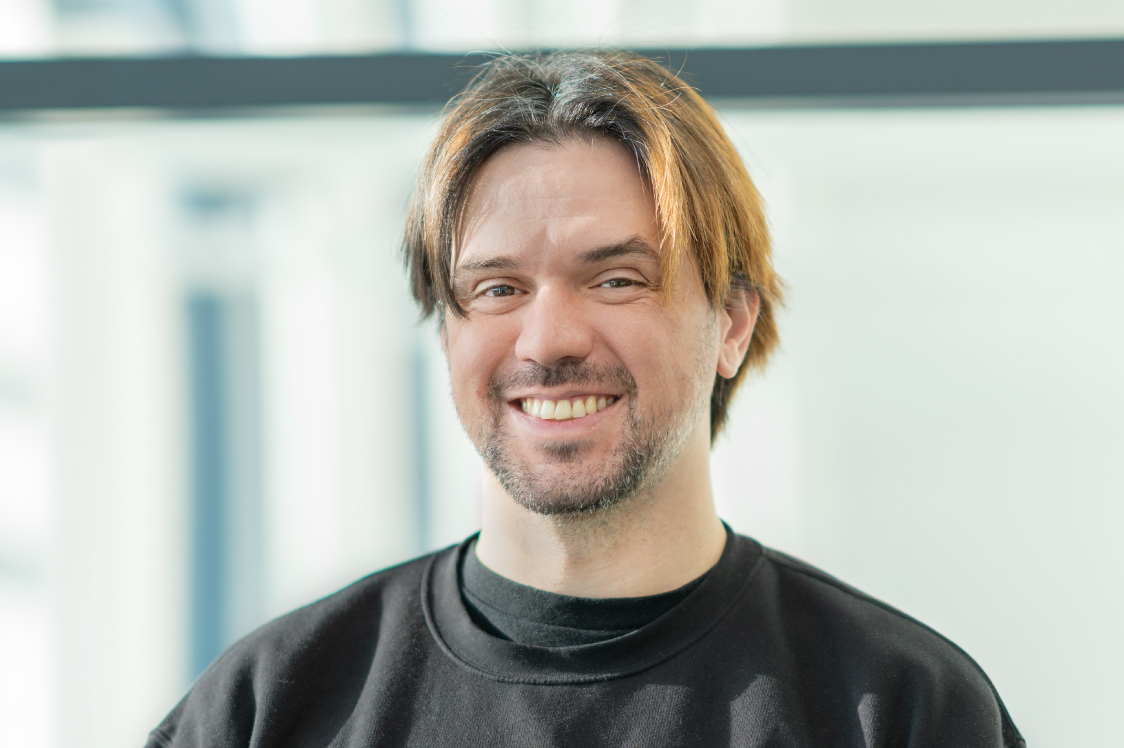
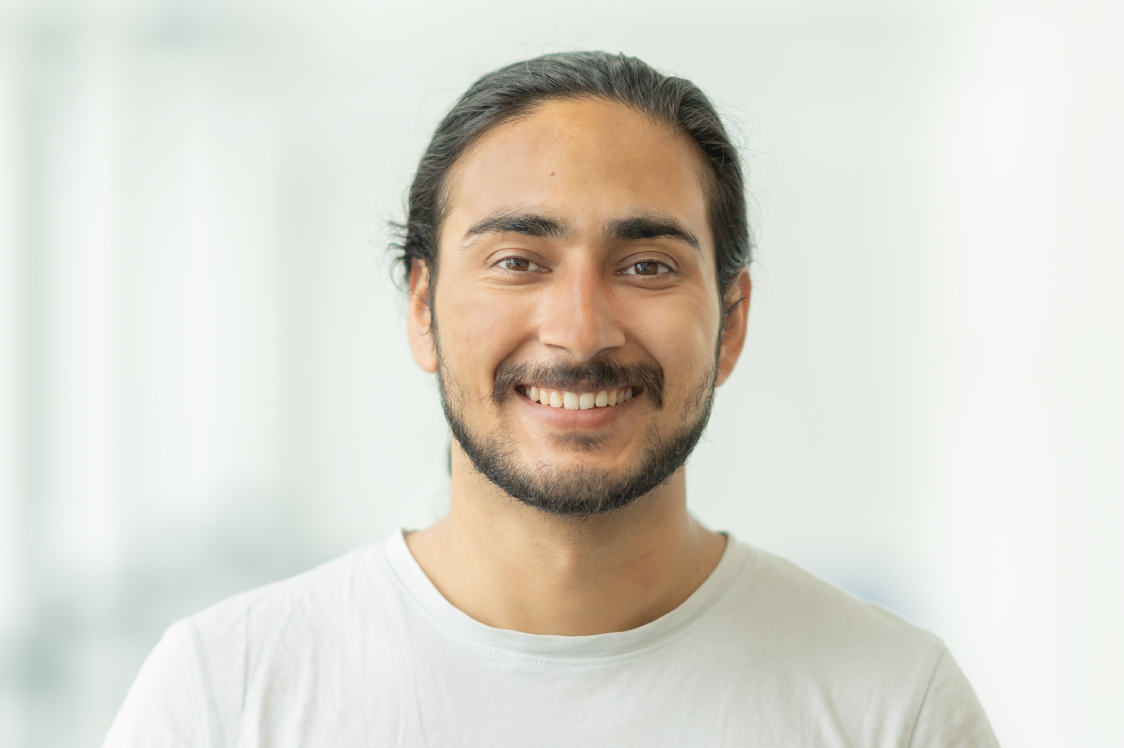 © Maximilian Waidhas / b-it
 Dr.
Shivam Rawat
Researcher
more
Shivam currently works as a postdoctoral researcher at the Data Science and Language Technologies Group under Prof. Lucie Flek. His work focuses on integrating large language models (LLMs) into physics research, developing tools to automate and streamline the analysis of astrophysical phenomena. Previously, he completed his PhD in theoretical physics at the University of Bonn, specializing in strange baryon interactions and computational modeling. Shivam has a strong foundation in high-performance computing, data analysis, and theoretical frameworks and is interested about applying AI-driven approaches to advance scientific discovery.
 © Maximilian Waidhas / b-it
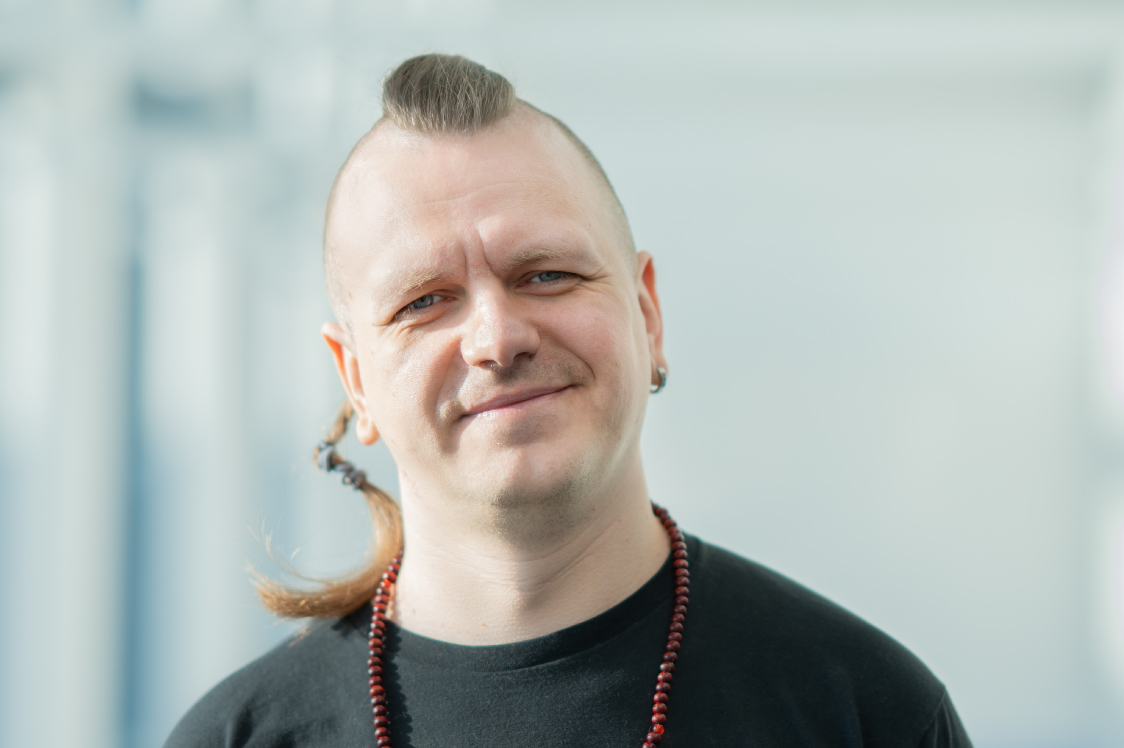
 Dr.
Nicholas Kluge Corrêa
Researcher
more
I have been a postdoc at CAISA February 2026, working on low resource languages and alignment. Previously, I received my PhD from Uni Bonn in 2024 (Summa Cum Laude), where I graduated with a thesis on AI alignment. Subsequently, I worked as a Postdoctoral Research Fellow at the Center for Science and Thought, where I worked on the Certified AI project.
Areas of Interest
• Deep learning
• Low-Resourc LLMs
• AI safety and alignment
 © Maximilian Waidhas / b-it
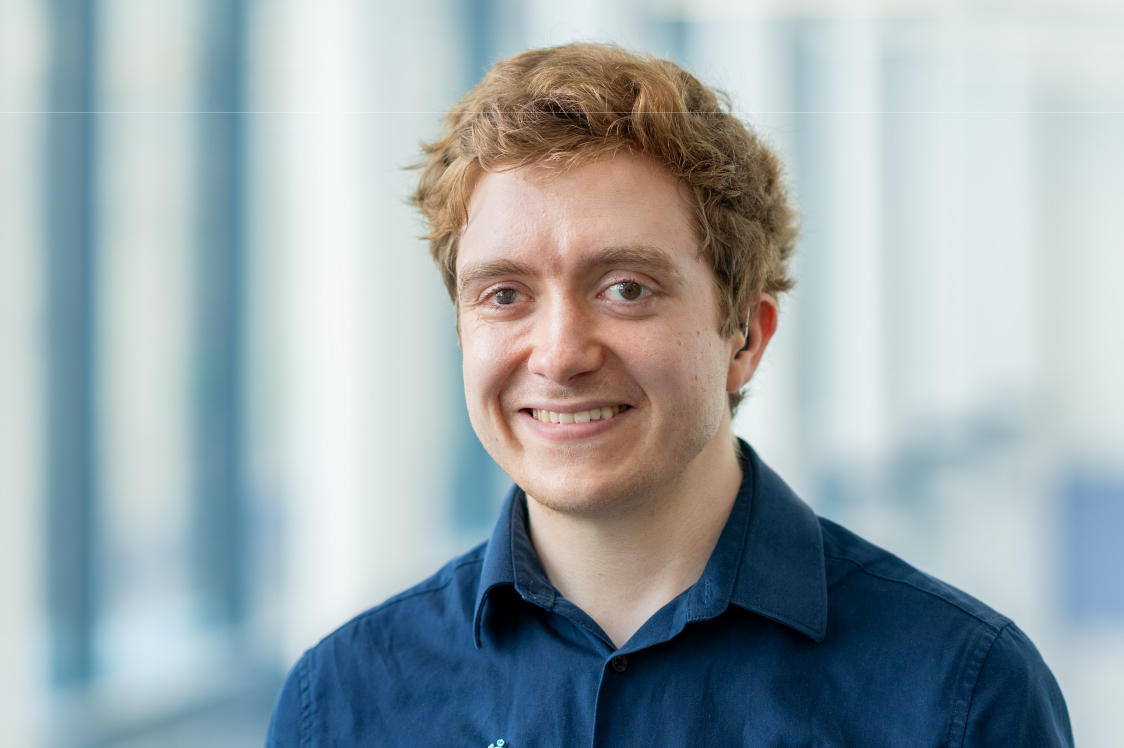
 Dr.
Tobiasz Kaduk
Researcher
more
I have been a Postdoctoral Researcher at the University Hospital Bonn since 2024. Since January 2026, I have also been affiliated with the University of Bonn, where I work on conversational AI systems with 3D avatars in interactive environments. My research focuses on integrating large language models with real-time 3D engines to enable natural audio-visual communication between humans and digital agents. Previously, I completed my doctoral research comparing eye-tracking systems and web-based experimental platforms, focusing on the development and evaluation of methods for conducting behavioral and user interaction studies online.
Areas of Interest
• Conversational AI and large language models
• 3D avatars and interactive virtual environments
• Game engines for scientific and applied research
• Human–AI interaction and communication systems
 © Maximilian Waidhas / b-it
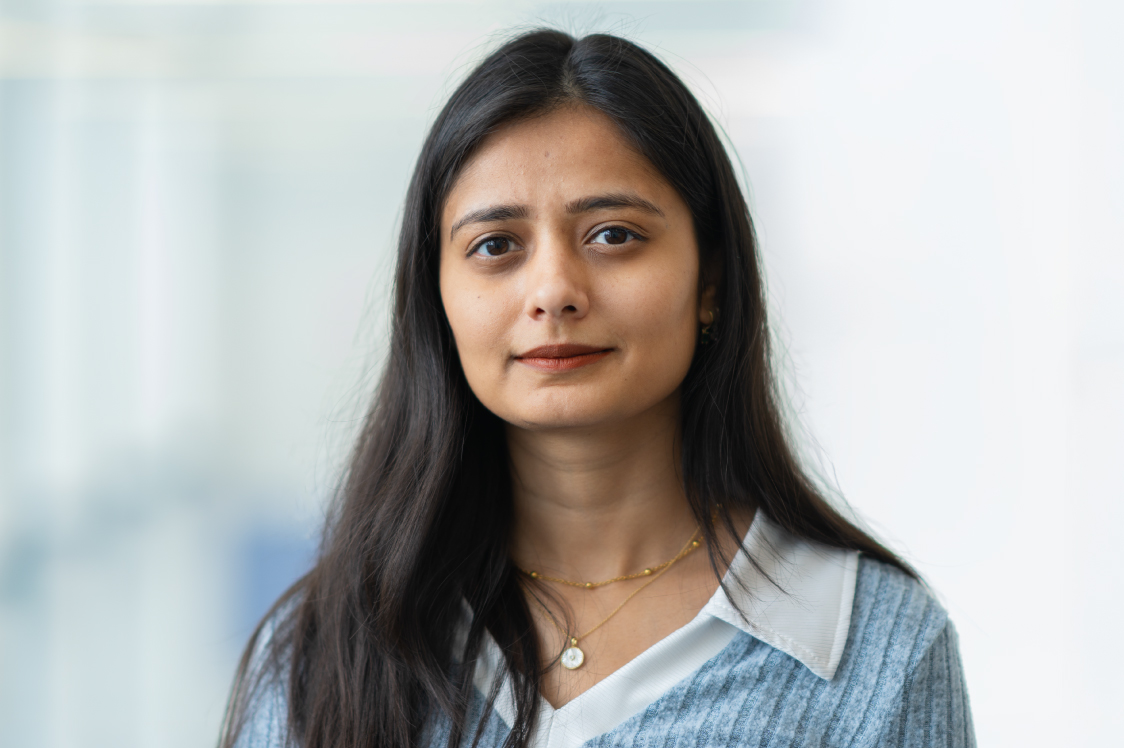
David Leonhard
PhD Student
more
Previously, David was employed for three years at the Fraunhofer IAIS where he gained practical experience with applications in the domain of financial NLP and RAG.
David likes galaxy clusters and the process of knowledge creation.
 © Maximilian Waidhas / b-it
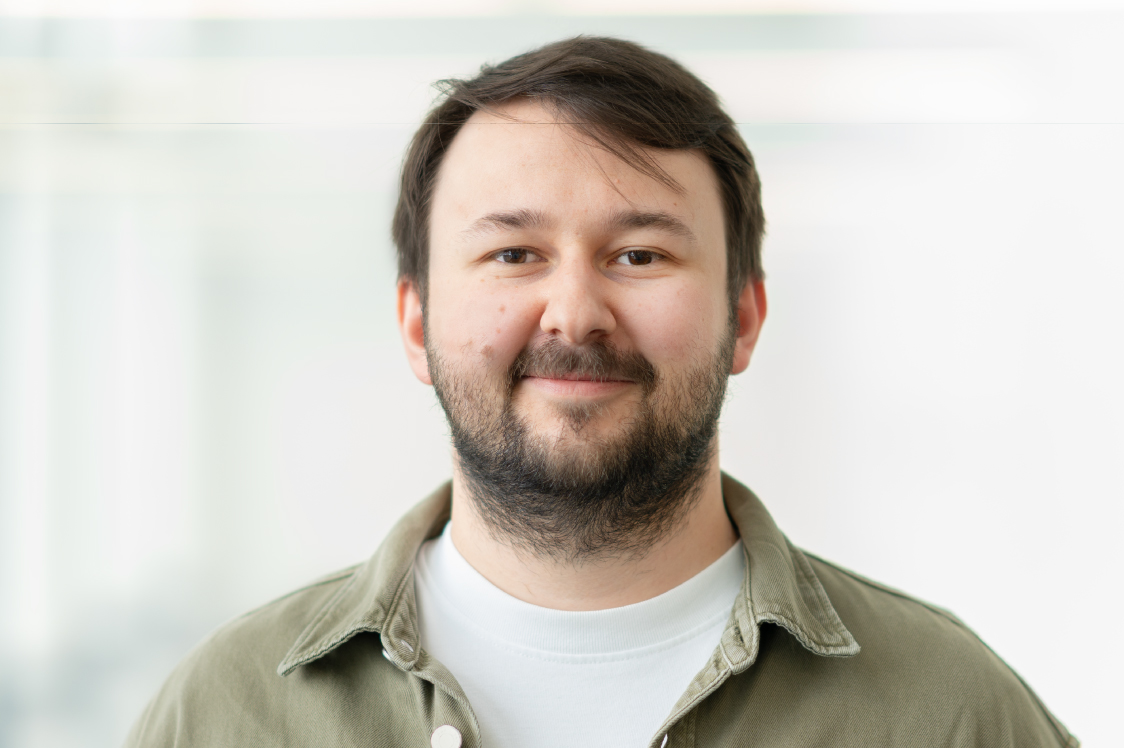
Shiza Fatimah
Researcher
more
My research focuses on developing efficient and open-source foundation models for low-resource languages, aiming to promote equitable and sustainable access to AI. I contribute to the creation of language models, datasets, benchmarks, and tools that support open, inclusive, and reproducible AI development.
I received my M.Sc. degree in Computer Science from the University of Bonn in April 2026.
 © Maximilian Waidhas / b-it
Timo Saala
PhD Student
more
Timo Saala has been a PhD student at the University of Bonn since May 2024, supervised by Prof. Dr. Lucie Flek and Prof. Dr. Matthias Schott. Previously, his research focused on leveraging existing and developing novel adversarial deep learning techniques to gain deeper insights into the uncertainties inherent in high-energy physics (HEP) machine learning pipelines. Currently, he is investigating the adversarial robustness of hallucination detection methods in large language models (LLMs), with a particular focus on the gap between human interpretations of hallucinations and those captured by automated metrics. His work centers on confabulations — a class of hallucinations in which the model produces factually incorrect responses while also exhibiting high uncertainty.
 © Maximilian Waidhas / b-it
Waltteri Leinonen
Researcher
more
© Maximilian Waidhas / b-it Dr.
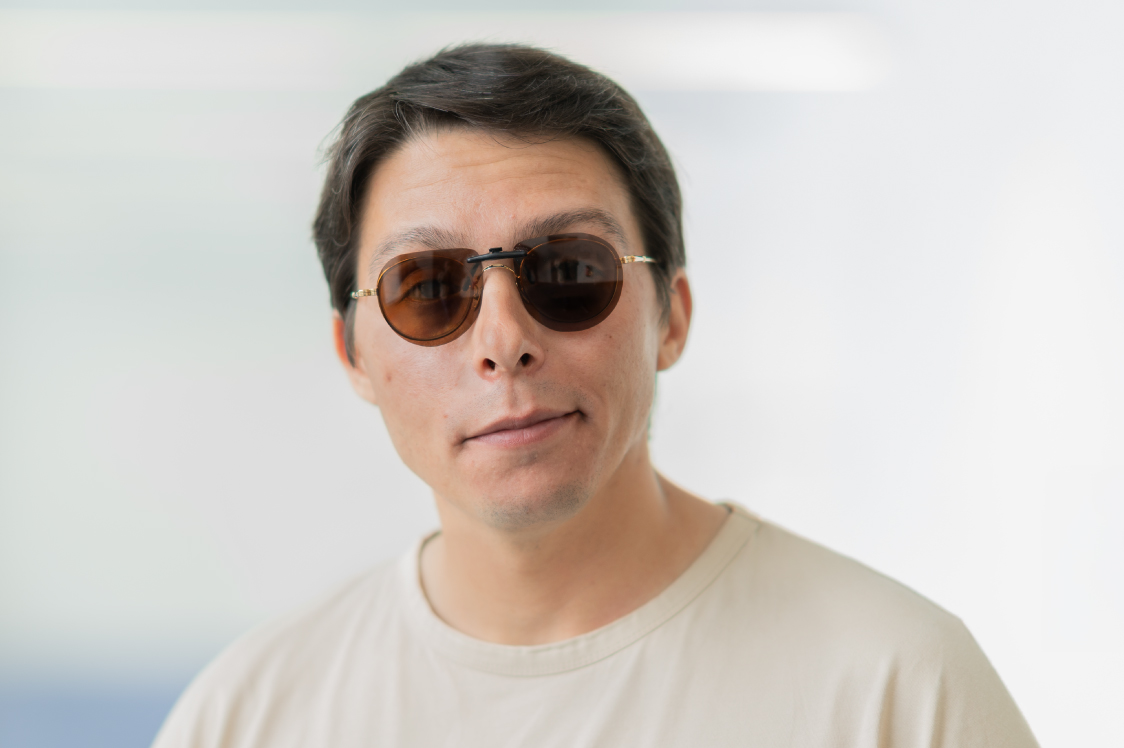
David Prinz
Lamarr Fellow
more
 © Maxilian Waidhas / b-it
 Dr.
João A. Gonçalves
Researcher
more
João A. Gonçalves is a postdoctoral researcher at the University of Bonn, B-IT, and the Lamarr Institute. His work focuses on developing machine-learning and foundation-model methods for high-energy nuclear physics, with a particular emphasis on heavy-ion collisions, jet quenching, and physics-aware AI for collider data. Previously, his research focused on applying modern deep-learning architectures to jet substructure and quark-gluon plasma phenomenology. He is interested in building reliable AI tools that can connect simulation, theory, and experimental data in complex physical systems.
Areas of Interest:
• Foundation models for physics
• Machine learning for heavy-ion collisions
• Jet quenching and quark-gluon plasma phenomenology
• Physics-aware AI and scientific representation learning
Visiting Researchers and Student Assistants
Kristyna Onderkova
Alumni
 © Privat
 Dr.
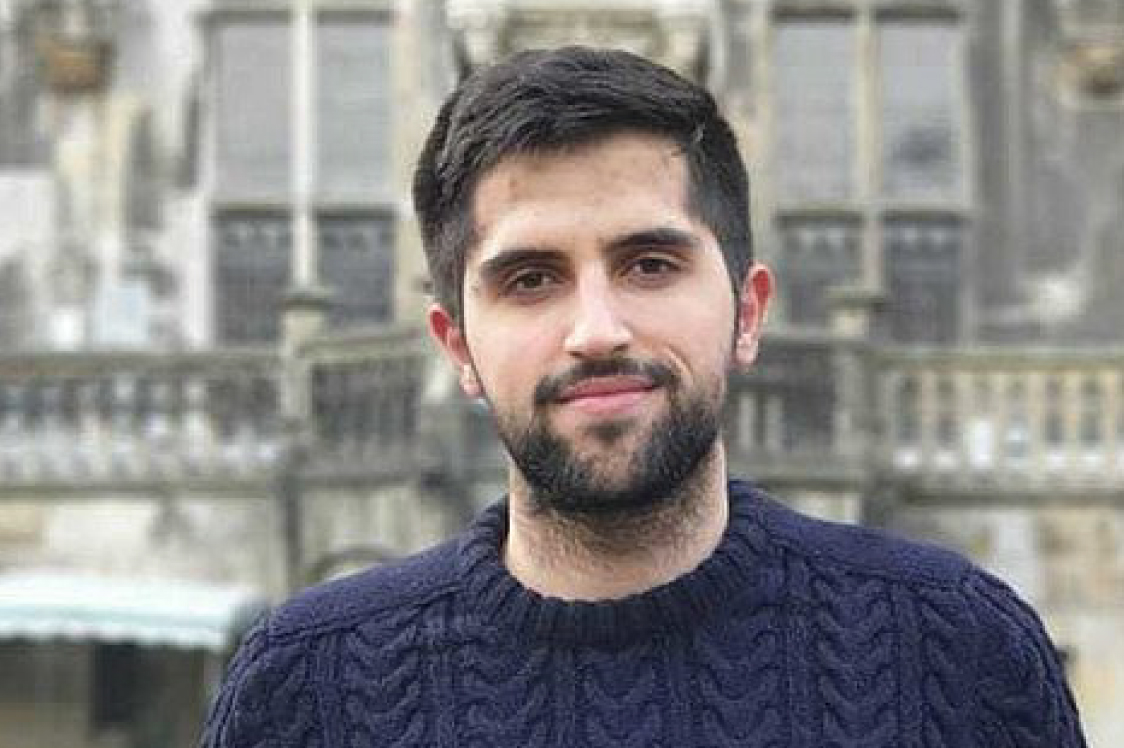
Joan Plepi
Researcher
more
Joan’s current research activity is based primarily in contextual user embeddings based on flexible modeling of the user and network over conversational and social contexts using recurrent or attentive deep learning architectures. He is focused in both static and temporal analysis of user features in order to improve subjective NLP tasks. Currently, he is focusing on modeling different user’s perspective on social media. Moreover, he works on modifying Transformer architectures (encoder-decoder like Flan-T5, or decoder-only like GPT, LLAMA) in order to include auxilary information for personalization.
 © Privat
 Dr.
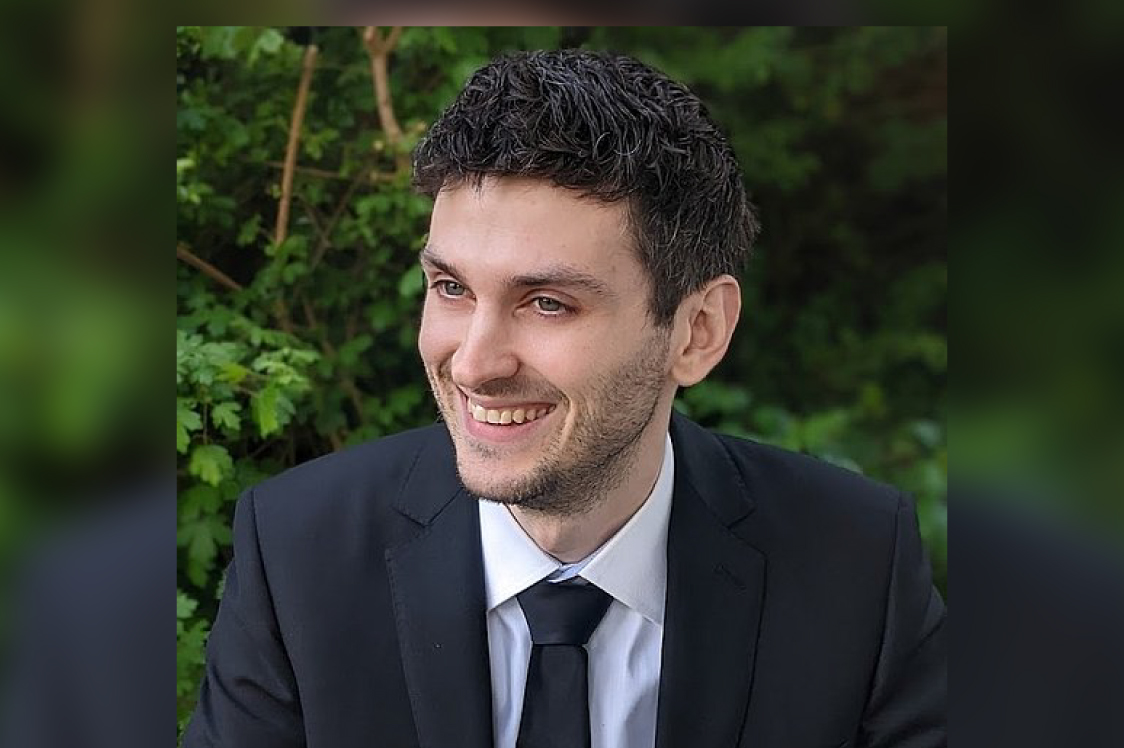
Charlie Welch
Researcher
more
Charlie is a research group leader working on coversation modeling, personalization, controllable generation with large language models and modelling subjective differences across populations for classification tasks, for answering questions such as what is humorous, sarcastic, offensive, or moral.
 © Maximilian Waidhas / b-it
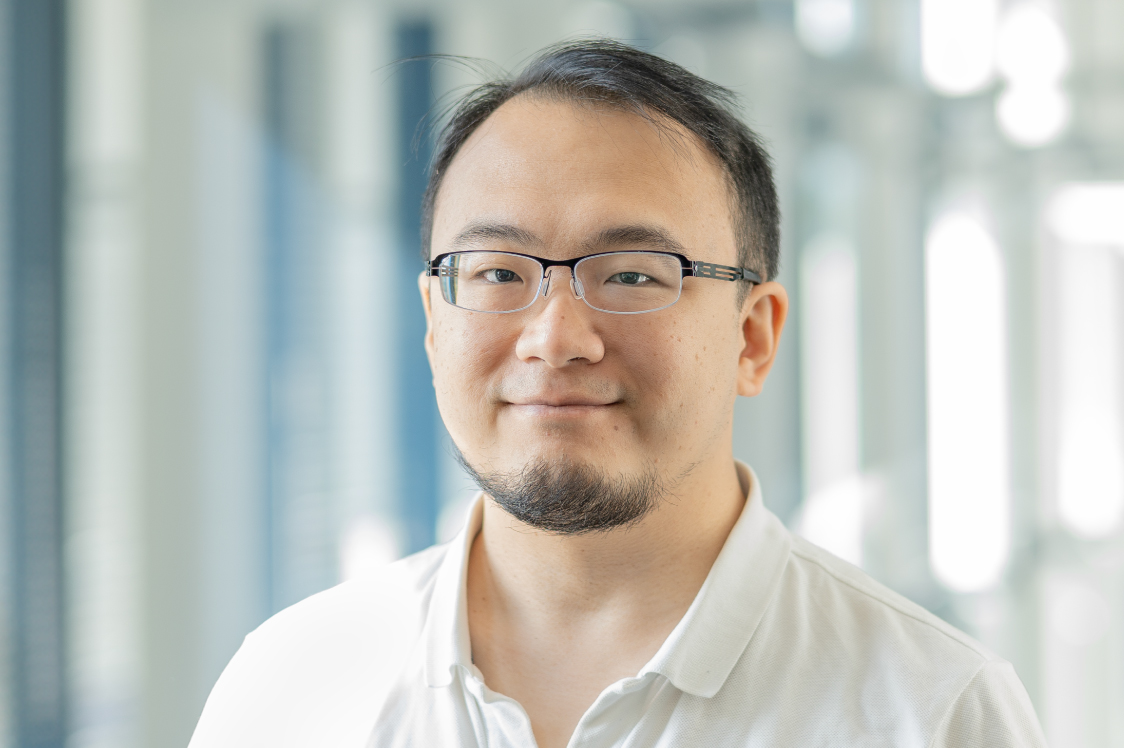
 Dr.
Wei-Fan Chen
Researcher
more
Wei-Fan is a postdoc in Prof. Flek’s group since November 2023. He started his PhD at Bauhaus-Universität Weimar and had his defense at Paderborn University. In the past years, Wei-Fan focused on using NLP methods to tackle media bias problems, including analyzing media bias and mitigating media bias. Especially, he has done a significant amount of work on using natural language generation in the bias mitigation part. Besides, he also worked on computational argumentation and computer-assisted language learning as his side projects.
 © Privat
 Dr.
Mounika Marreddy
Researcher
more
Mounika currently is a postdoctoral researcher at university of Bonn under the supervision of Prof. Lucie Flek. Her research interests lie in interpretation, explainability, and robustness of large language models. She also focuses on modelling dynamic user representations and user opinion beliefs. Additionally, she is interested in understanding the working principals of large language models by aligning them with brain datasets (fMRI, MEG).
 © Maximilian Waidhas / b-it
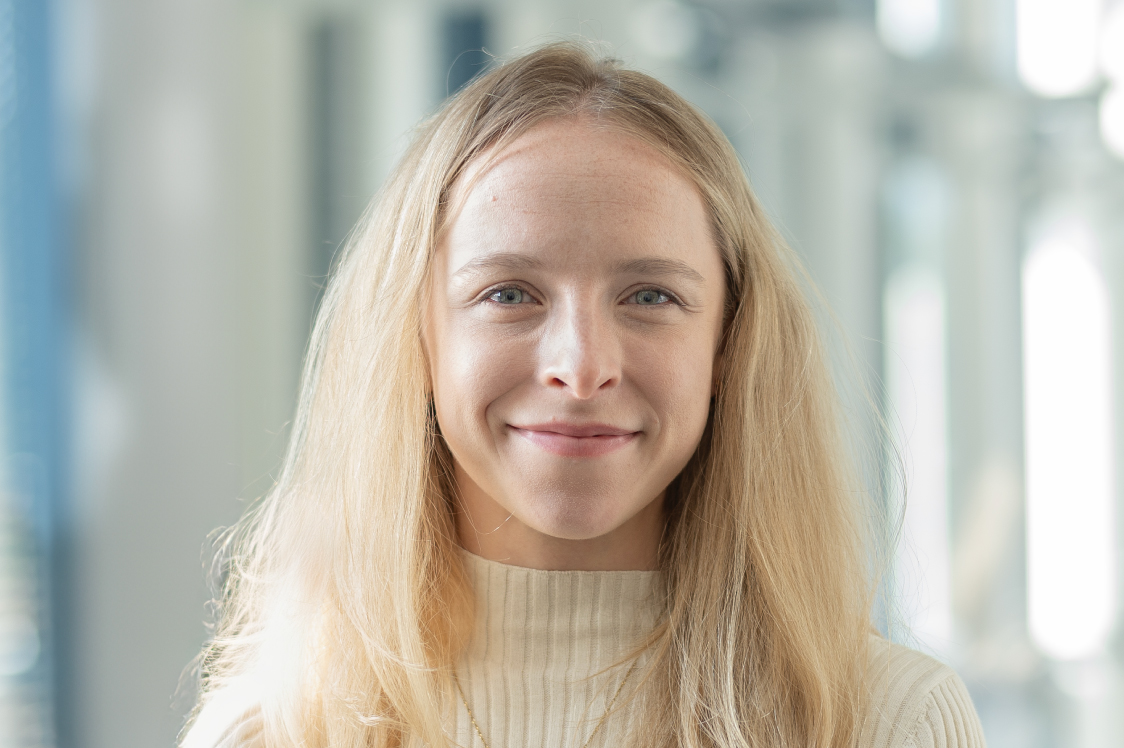
 Dr.
Allison Lahnala
Researcher
more
Allison is a natural language processing (NLP) researcher focusing on computational social science and conversation dynamics in goal-oriented settings and interpersonal interactions involving particular social intents, such as persuasion and offering support. She works with various domains and contexts, such as online forums for supportive and opinionated interactions, and clinical conversations, in which I investigate stance dynamics and empathetic interactions, and transfer learning to better model social NLP tasks. She is also interested in developing theory-driven empathy research approaches for NLP that consider the complex affective and cognitive processes and social factors that influence empathetic expression and perception.
 © Maximilian Waidhas / b-it
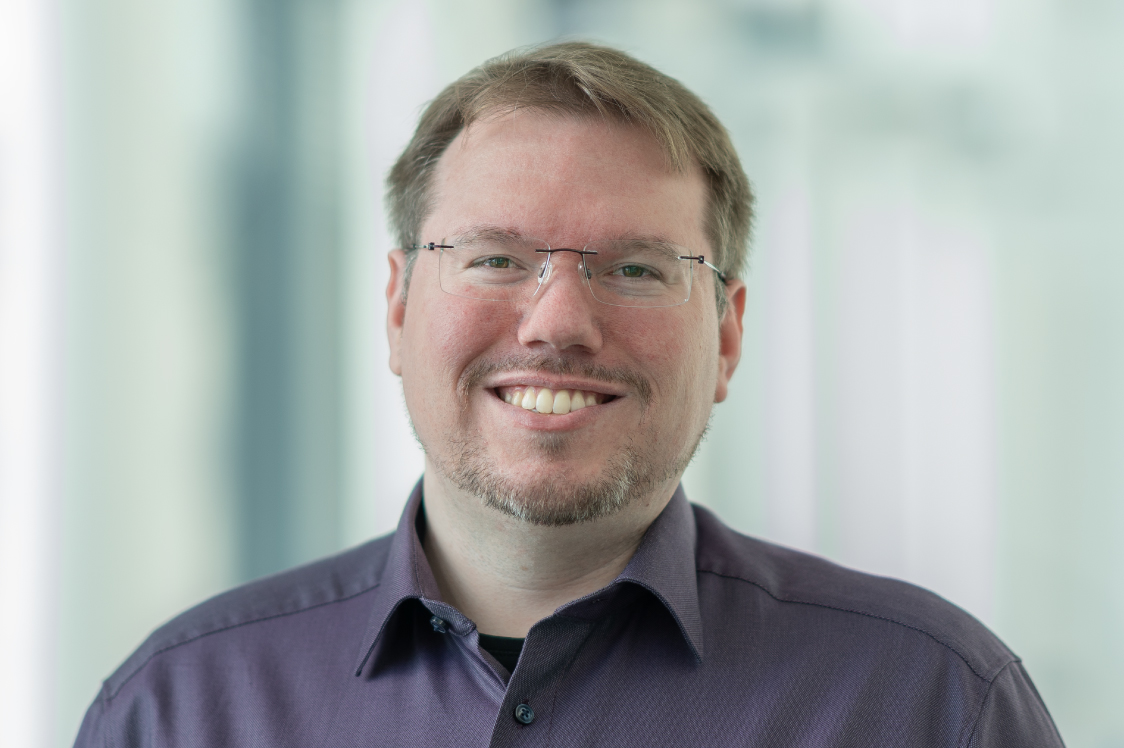
Christian Nickel
Researcher
more
Christian is fascinated by Artificial Intelligence, Deep Learning, and more specifically Natural Language Processing (NLP) and Large Language Models (LLMs), as well as their capabilities to understand and interact with humans. Moreover, he is a proponent of inter- and transdisciplinary research, bringing together expertise from diverse fields like psychology, Human-AI Interaction (HAI), Human-Computer Interaction (HCI), social sciences (economics, political science, sociology), and physics to overcome today’s limitations. He is passionate about identifying applications for cutting-edge research.
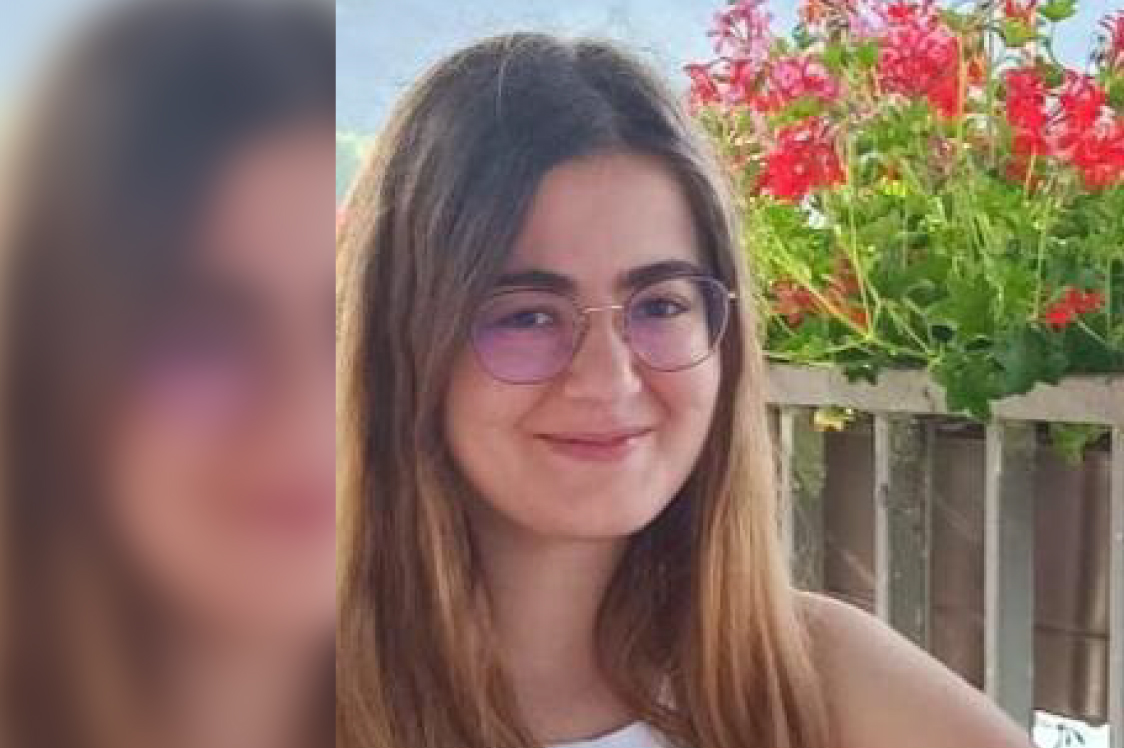 © Privat
Ipek Baris Schlicht
Researcher
more
Ipek is a part-time researcher at CAISA and a PhD candidate under the supervision of Prof. Dr. Lucie Flek and Prof. Dr. Paolo Rosso, focusing on counteracting health misinformation. In the same-time, she works as a part-time data scientist at DW Innovation. Her research primarily focuses on leveraging LLMs for journalistic tasks like bias detection, misinformation prebunking in health, and working with multilingual datasets. Additionally, she is interested in developing unified models that are fair across cultures and languages to tackle multilingual tasks.
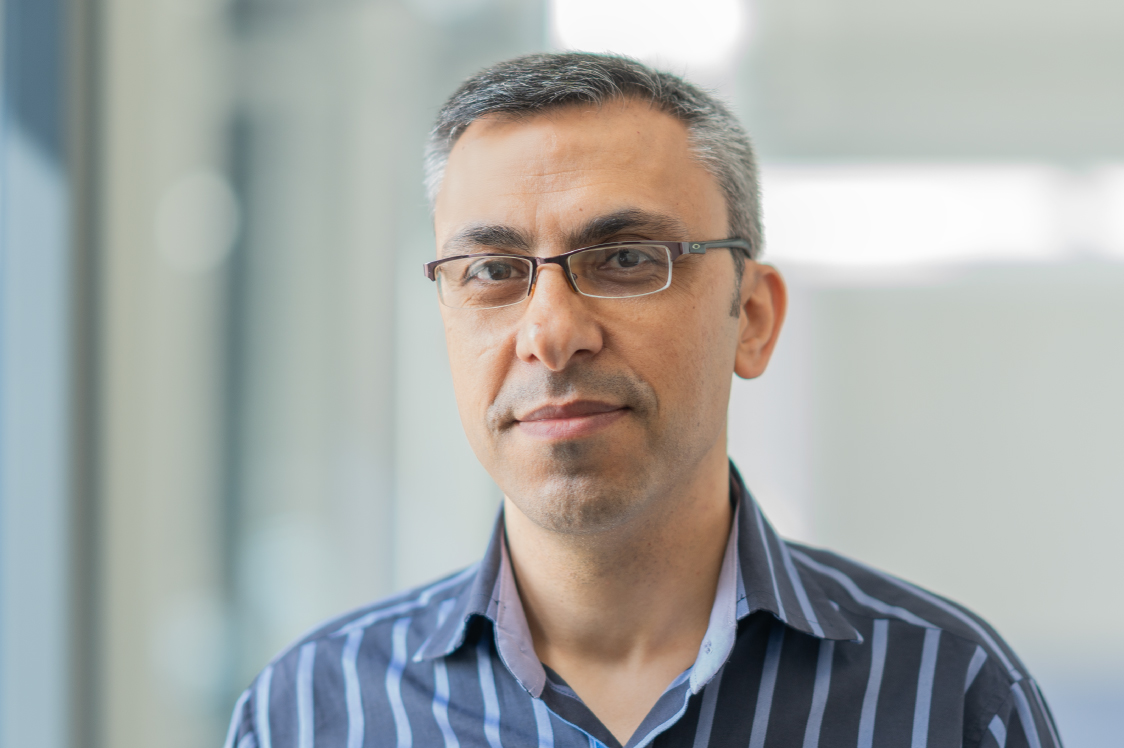 © Maximilian Waidhas / b-it
 Dr.
Akbar Karimi
Researcher
more
While language models are becoming better and better every day, they still have vulnerabilities to real-world errors and adversarial players and in many cases, there’s still lack of proper data in order for these models to perform well on newly designed tasks. As a result, among other topics in NLP, Akbar’s focus is on improving robustness of language models to a variety of changes. In pursuit of more robust language models, he has worked on adversarial and simple data augmentation methods. In the former, artificial adversarial data is created in the embedding space and in the latter, noise is injected into the raw input data. These methods have helped models become more immune to such changes, hence improving their ability to recognize user sentiments and more accurately identify what they’re talking about in services and products reviews.
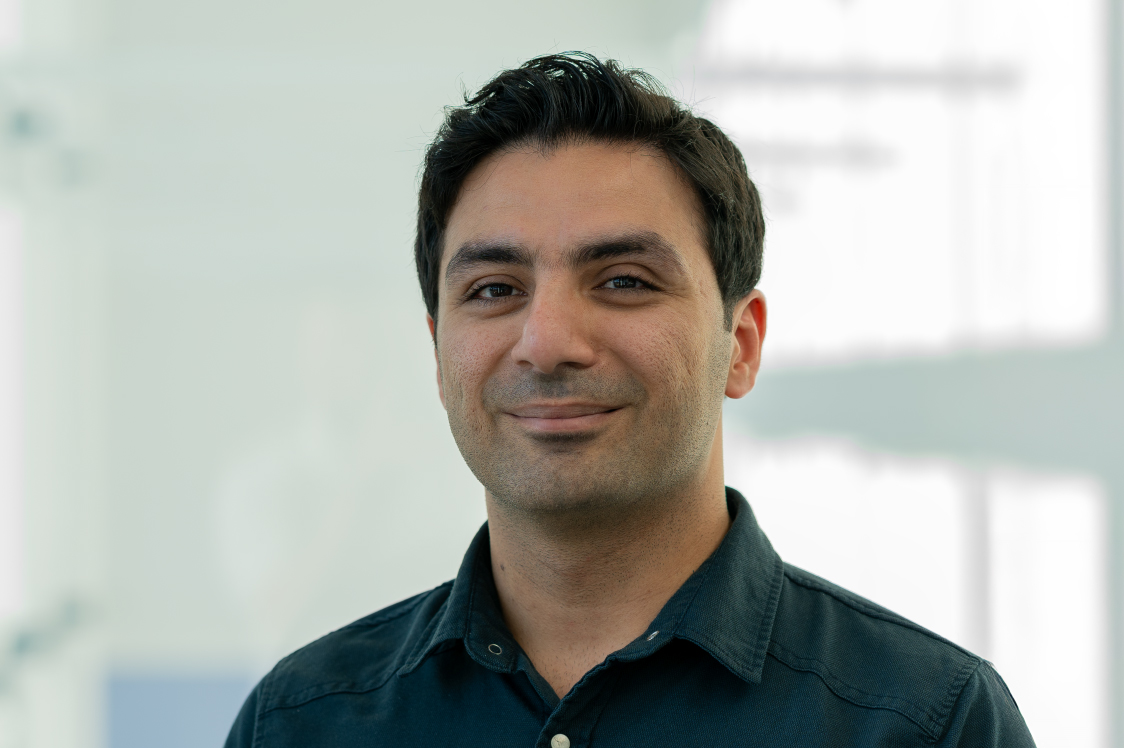 © Maximilian Waidhas / b-it
Vahid Sadiri Javadi
Researcher
more
Vahid is an NLP researcher at the University of Bonn under the supervision of Prof. Dr. Lucie Flek in the Conversational AI and Social Analytics (CAISA) lab. His research is focused on bridging the gap between Conversation, Information Seeking, and Personalization with the long-term goal of instilling human-like communication, subjective reasoning, and commonsense knowledge in machines. He is broadly interested in building and evaluating conversational systems that improve personalized/opinionated information-seeking experiences for users. His current research interests include conversation modeling, opinionated dialogue generation, argument mining, and gamification for evaluating dialogues. Prior to this, he received a Master’s degree in 2021 in Data Science as well as a Master’s in 2018, and a Bachelor’s degree in 2012 in Industrial Engineering.