Large language models for drug discovery

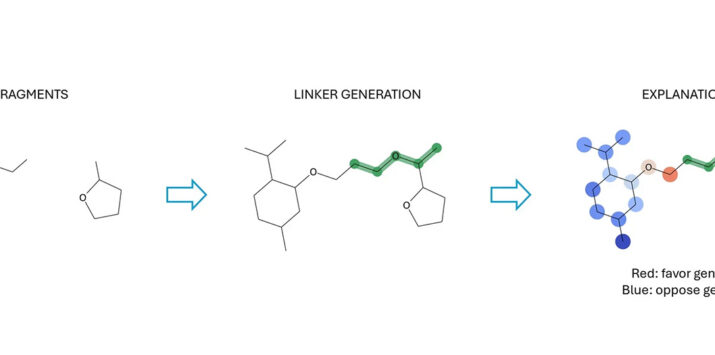
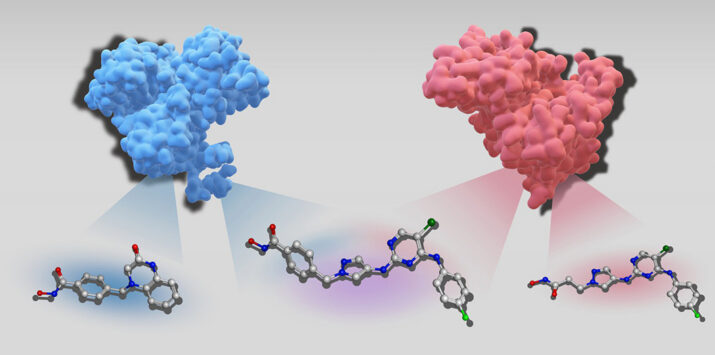
New study conducted by Prof. Dr. Bajorath and Sanjana Srinivasan at b-it and the Lamarr-Institute at the University of Bonn show the potential of language models in finding new medications. The researchers have created a chemical language model comparable to ChatGPT to predict potential active ingredients with special properties. Following a training phase, the AI was able to exactly reproduce the chemical structures of compounds with known dual-target activity that may be particularly effective medications.

New Publication in Life Sciences: predicting the effect of a drug

New study conducted by Prof. Dr. Bajorath and Sanjana Srinivasan at b-it and the Lamarr-Institute at the University of Bonn show the potential of language models in finding new medications. The researchers have created a chemical language model comparable to ChatGPT to predict potential active ingredients with special properties. Following a training phase, the AI was able to exactly reproduce the chemical structures of compounds with known dual-target activity that may be particularly effective medications.

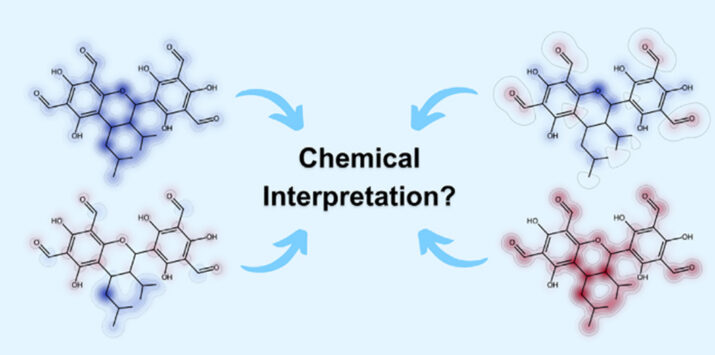
Prof. Bajorath and his team take a look behind the scenes of machine learning in drug research

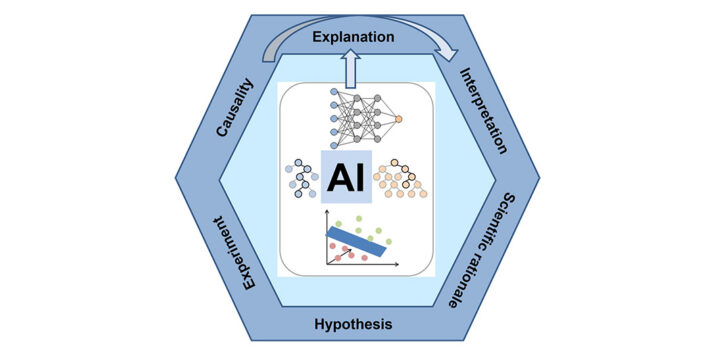
Artificial intelligence (AI) is on the rise. Until now, AI applications generally have “black box” character: How AI arrives at its results remains hidden. Prof. Dr. Jürgen Bajorath, a cheminformatics scientist at b-it, and his team have developed a method that reveals how certain AI applications work in pharmaceutical research. The results are unexpected: the AI programs largely remembered known data and hardly learned specific chemical interactions when predicting drug potency. The results have now been published in “Nature Machine Intelligence”.